Product Overview
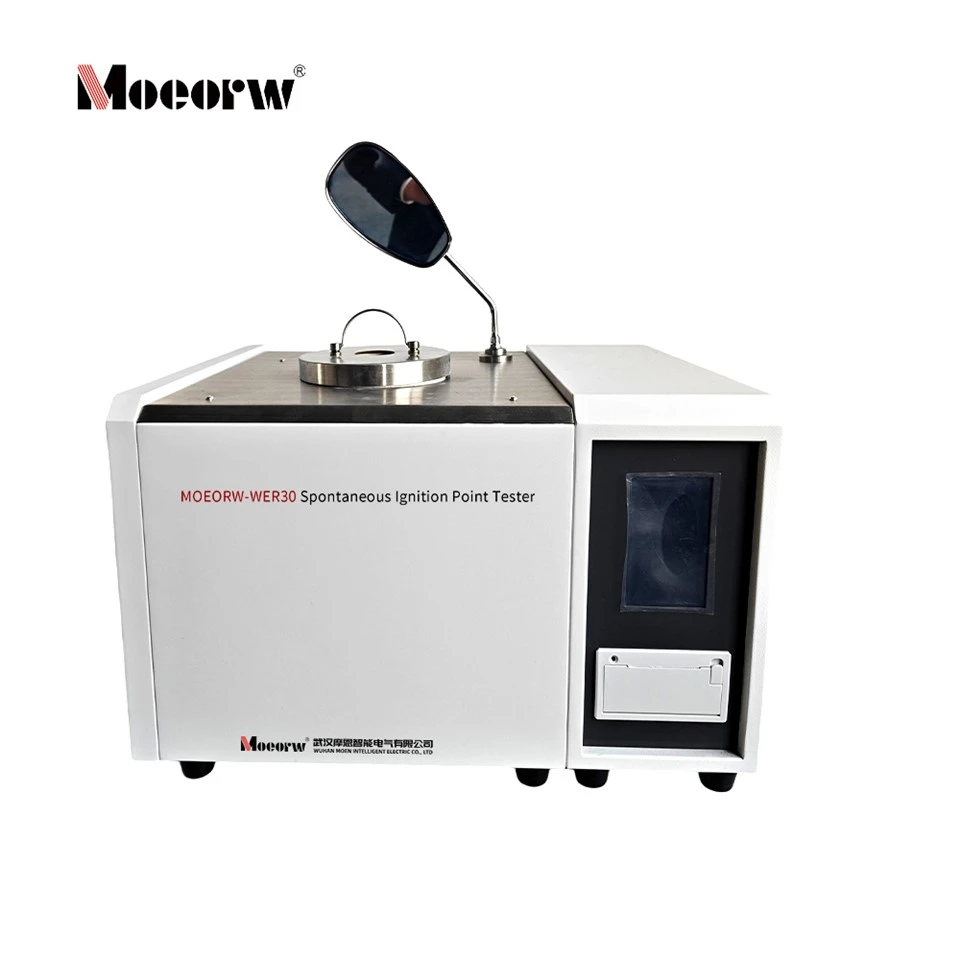
The MOEORW-WER30 spontaneous ignition point tester is developed in accordance with the industrial standard DL/T706-1999 Test Method for Spontaneous Ignition Point of Fire-resistant Fluids for Power Plants. It is designed to measure the spontaneous ignition temperature of fire-resistant fluids deployed in speed control systems of generating units with capacity above 30MW.
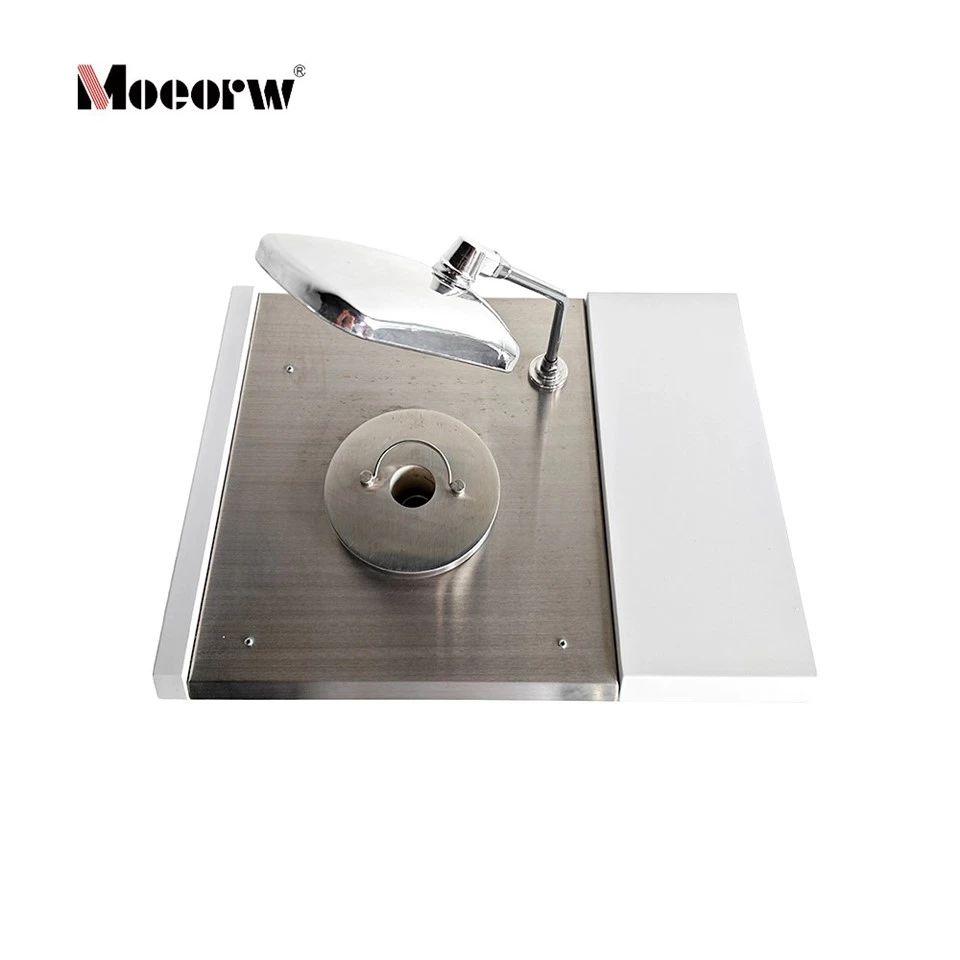
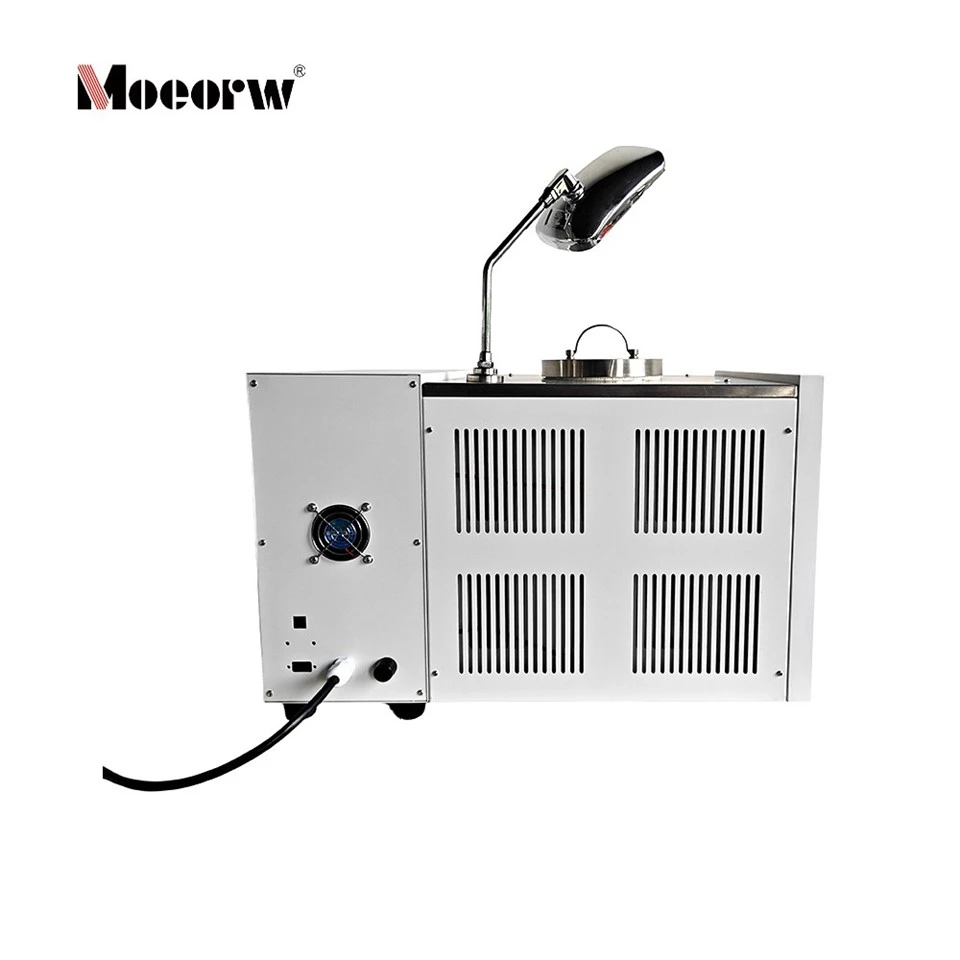
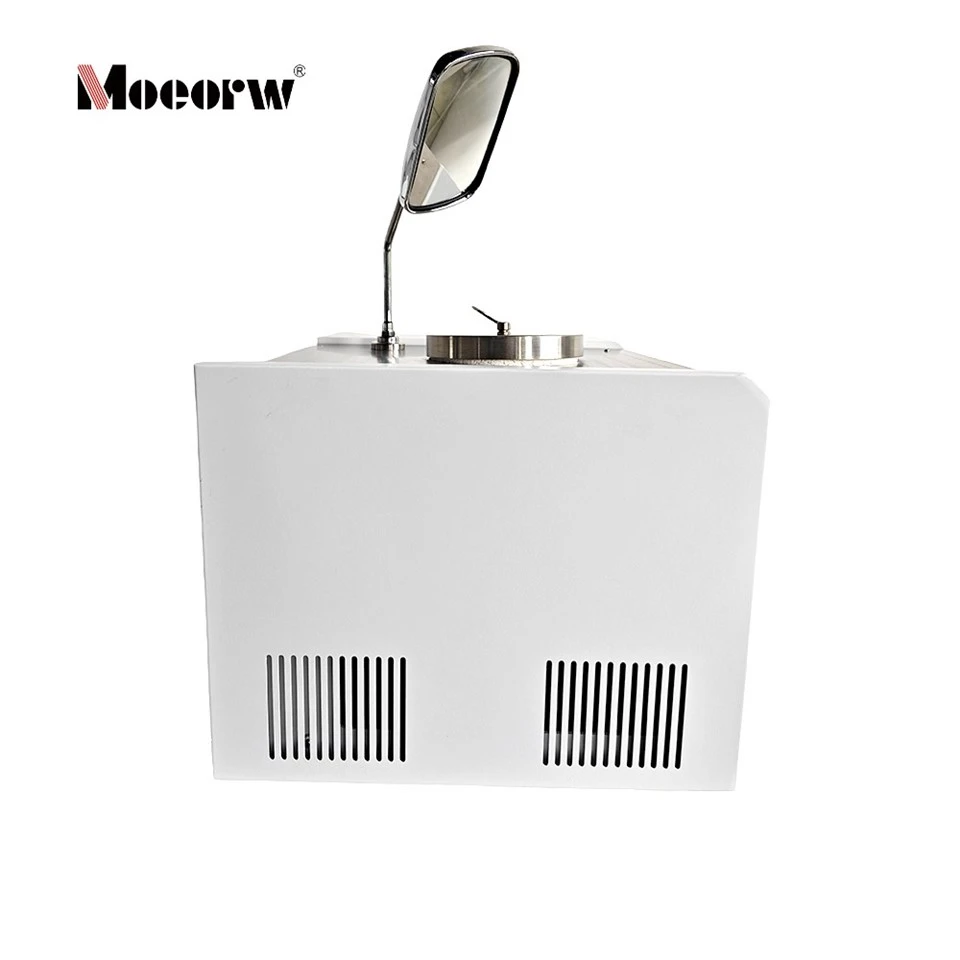
The equipment adopts AI intelligent temperature regulation algorithm to realize thermal balance inside the heating vessel, with temperature deviation controlled within 1°C among the top, middle and bottom zones of the flask. Operators can observe ignition status via a built-in reflector. The unit features stable operation, convenient testing workflow and compact structural appearance.
Technical Specifications
|
Item |
Parameter |
|
Display Unit |
High-definition color touch screen |
|
Temperature Control Mode |
PID closed-loop operation with AI algorithm |
|
Measuring Temperature Range |
200°C ~ 800°C |
|
Temperature Accuracy |
±1°C |
|
Test Repeatability Tolerance |
10°C |
|
Built-in Printing Device |
Thermal printer |
|
Power Supply |
AC 220V±22V, 50Hz±2.5Hz |
|
Rated Power Consumption |
Approx. 2000VA |
|
Ambient Operating Temperature |
10°C ~ 35°C |
|
Maximum Ambient Humidity |
≤85% RH |
Working Principle
The instrument utilizes AI intelligent temperature control logic to maintain uniform thermal balance inside the heating chamber. Operators inject 0.05mL test sample into a 200mL heat-resistant open conical flask preheated to a preset temperature by a 0.01mL minimum scale syringe.
Spontaneous ignition is confirmed once visible flame generates inside the flask within 5 minutes after sample injection. If no flame occurs within the 5-minute observation window, the sample is defined as non-ignitable under the current temperature. The minimum temperature that triggers flame generation is recorded as the spontaneous ignition point of the tested fluid.
For iterative calibration: no flame detected → automatically raise temperature by 10°C for retest; flame observed → automatically lower temperature by 5°C for repeated testing until no ignition occurs, following the specification requirements of DL/T706-1999. A minimum 15-minute interval is required between two consecutive tests, with air blowing applied to clear residual flue gas in the flask.
Core Functional Features
Hardware & Control Design
1.Multi-language touch human-machine interface supporting Chinese and English switching, with independent dedicated interfaces for parameter setting, test execution and historical data query.
2.Three-point temperature sensing layout (upper, middle, bottom) for real-time monitoring of internal temperature distribution of the heating container.
3.Integrated thermal printing module for direct output of complete test records including test time and final spontaneous ignition temperature values.
4.Built-in automatic temperature adjustment program; self-tuning must be completed prior to formal parameter setting to eliminate temperature control deviation.
Performance Advantages
1.AI-PID composite temperature regulation limits temperature difference within 1°C across flask vertical sections, ensuring consistent thermal environment for each test.
2.Strict temperature accuracy of ±1°C and repeatability tolerance of 10°C, meeting the precision requirements of power industry fire-resistant fluid testing.
3.Automatic temperature adjustment mechanism reduces manual repeated parameter modification during multi-round iterative testing.
4.Standardized 5-minute fixed observation countdown with pop-up confirmation prompts for ignition judgment, reducing human operation errors.
Practical Application Value
1.Visual observation system with dedicated reflector enables clear real-time monitoring of flame status inside the closed heating furnace.
2.Historical data storage function supports page turning, printing and data clearing for batch test data archiving.
3.Standardized test flow fully complies with DL/T706-1999, ensuring test results are recognized by power industry inspection scenarios.
4.Complete inter-test operation specifications (air cleaning, 15-minute cooling interval) are embedded into the operation prompt logic to standardize test procedures.
Application Field & Compliance Standard
Application Scope
- Laboratory inspection of fire-resistant hydraulic fluids for thermal power generating units above 30MW
- Factory quality inspection of power plant anti-combustion control oil
- Third-party material performance testing institutions engaged in power chemical fluid detection
- R&D laboratories for new fire-resistant hydraulic medium development
Executed Standard
Fully compliant with DL/T706-1999 Test Method for Spontaneous Ignition Point of Fire-resistant Fluids for Power Plants
FAQ
Q1: Why does the temperature show obvious deviation after startup?
A1: Self-tuning procedure must be run immediately after power-on before setting target temperature; skip self-tuning will cause temperature control offset. The initial heating stabilization period needs to last over 1 hour.
Q2: What preparation is required for the quartz heating flask before testing?
A2: Install the quartz container into the heating cavity and attach upper, middle and bottom thermocouples tightly against the flask base to guarantee accurate multi-point temperature reading.
Q3: What interval is required between two successive tests?
A3: A minimum interval of 15 minutes must be reserved. Use an air blower to exhaust contaminated gas inside the conical flask before next sample injection.
Q4: What are the precision judgment criteria for test results?
A4: Repeatability: The difference between two test results from the same operator shall not exceed 10°C. Reproducibility: The test result gap between two independent laboratories shall not exceed 20°C.
Q5: What sample injection specification should be followed?
A5: Extract 0.05mL sample with a syringe of minimum scale 0.01mL, inject rapidly into the preheated flask and remove the syringe right after injection.
Hot Tags: spontaneous ignition point tester, China spontaneous ignition point tester manufacturers, factory