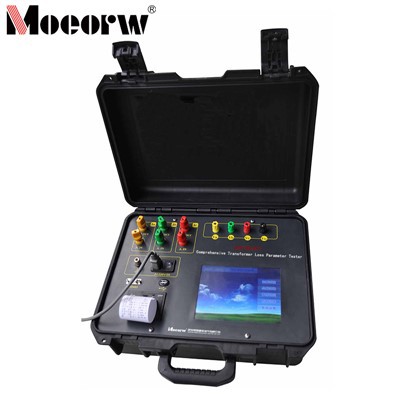
Systematic maintenance is key to ensuring stable performance and extending the lifespan of a high-current generator. For routine maintenance, a simple visual inspection should be performed before and after each use, checking for external damage, unobstructed ventilation, and loose connections. The internal components should be cleaned regularly (e.g., quarterly) with dry compressed air or a soft brush, paying particular attention to dust accumulation on transformer coils, reactors, and power devices, as dust can affect heat dissipation and insulation. For models with cooling fans, regularly check for smooth and quiet operation of the fan, adding or replacing lubricant as needed. Regarding electrical performance, a comprehensive preventative maintenance is recommended at least annually. This includes: measuring the insulation resistance of the transformer's primary and secondary sides to ground and between windings using a megohmmeter to ensure compliance with national standards; inspecting all electrical connections, especially the high-current output busbars and terminals, and tightening them to prevent increased contact resistance and overheating; and calibrating the ammeter and control system to ensure measurement and control accuracy. If the equipment is to be idle for an extended period, it should be stored in a temperature- and humidity-controlled warehouse and powered on for half an hour every 1-2 months to remove moisture and maintain the activity of components such as capacitors. Establishing detailed maintenance records is crucial for timely detection of potential problems and planning for spare parts procurement.
 English
- English
- Français
- Deutsch
- 日本語
- Italiano
- Español
- Português
- русский
- Eesti
- Türkçe
- dansk
- Polski
- Kreyòl Ayisyen
- România limbi
- Nederlands
- Norsk
- slovenščina
- suomi
- українська
- Việt Nam
- Български
- বাংলা
- عربي
- עברית
- Bai Miaowen
- O'zbek
- Srbija jezik (latinica)
- 한국어
- hrvatski
- Malti
- Latviešu
- ไทย
- magyar
- slovenčina
- Català
- اردو
- Lietuvių
- bosanski
- Indonesia
- Svenska
- Gaeilgenah Éireann
- Čeština
- íslenska
- Ελληνικά
- Cymraeg
- हिंदी
- فارسی
- Melayu